Skip to content

Hamna Arif

Meet the developer behind the work

Portrait of Hamna Arif in a black blazer, in warm natural light

The story

Some people see a website. Hamna sees the person trying to use it, and the small thing getting in their way.

  1. A hand tracing repeated spreadsheet work and a confusing form on a desk

    Chapter I

    It starts with noticing.

    The form that asks for the same thing twice. The spreadsheet copied by hand every Friday. The customer who gives up one click before the end.

    Most people stop seeing these moments; they become part of the day. Hamna cannot stop seeing them. Every project begins there, with the friction nobody has had the time to name, because that is usually where the real problem is hiding.

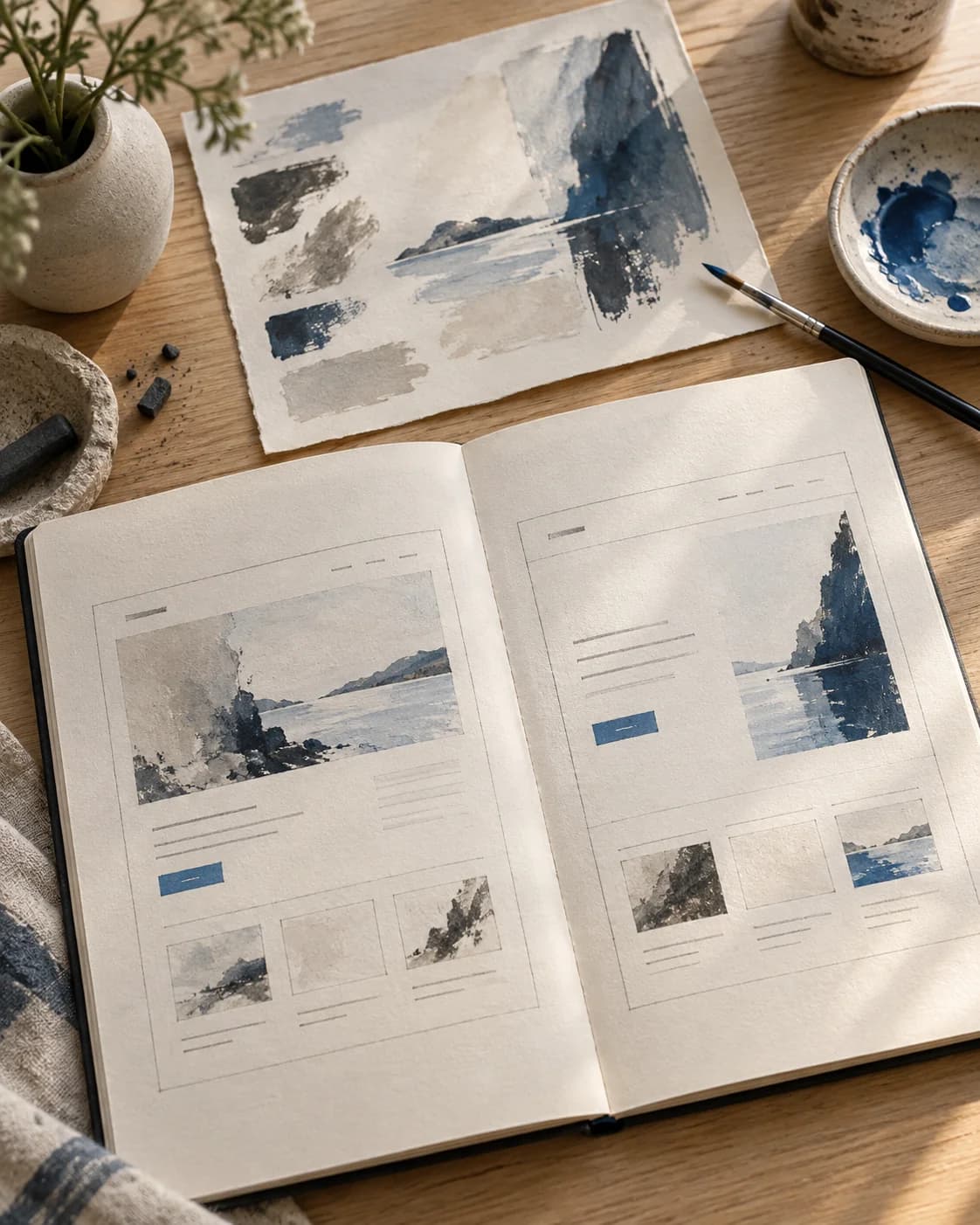
  2. A brush, muted colour studies and spacious website sketches showing art informing design

    Chapter II

    Then, taste.

    A long love of art and design means looking at a screen the way a painter looks at a canvas: balance, space, the one colour that leads the eye.

    Taste is not decoration. It is knowing what to leave out, so the next step feels obvious. People trust what looks cared for, and they find their way through what is clearly arranged.

  3. A developer testing the same web application on a laptop and phone beside engineering notes

    Chapter III

    Then, making it real.

    Formal study in engineering gives that taste a backbone.

    Something that looks right also has to hold up: fast on a slow connection, secure with real data, simple enough to keep running long after launch. Beautiful and dependable, or it is not finished.


A person completing a simple task on a tablet with a clear blue confirmation check

Good software is the moment someone uses it and thinks: finally, that was easy.

Hamna Arif

What she believes

What she believes

  1. 01

    Small frictions cost more than big failures, because they happen every single day.

  2. 02

    Plain words beat clever jargon, in a meeting and on a screen.

  3. 03

    The best fix is the simplest one people will actually use.

Your chapter

Something that could feel easier?

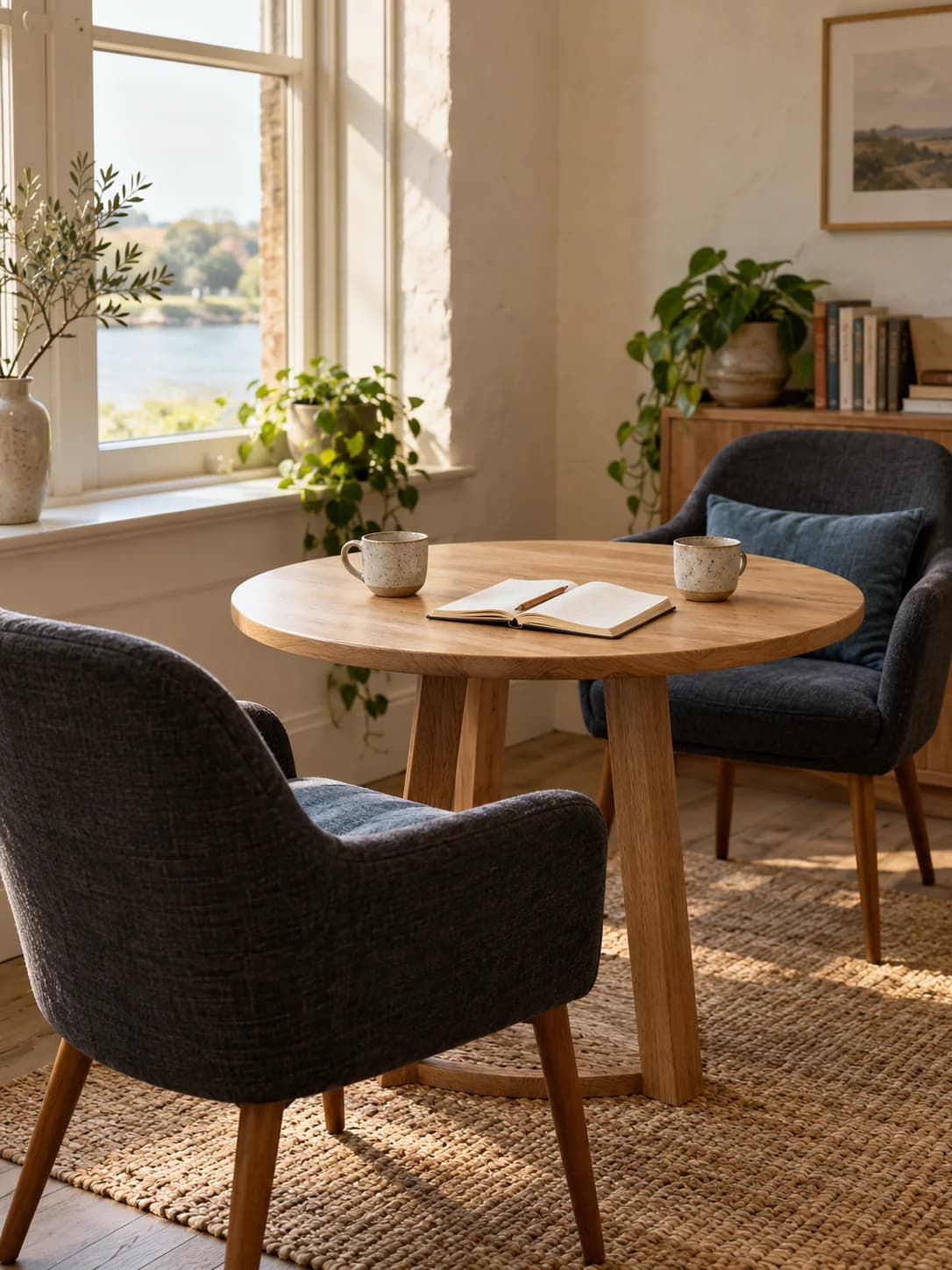
Pull up a chair. A short conversation is enough to find the friction and whether there is a better way.

Two chairs pulled up to a small table with tea and a notebook ready for a conversation